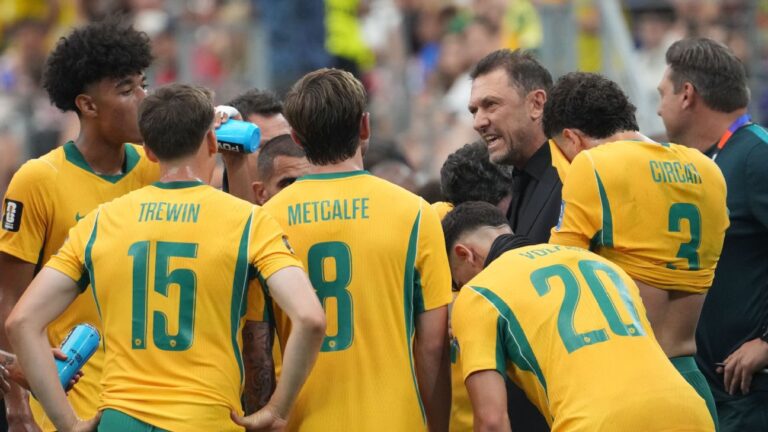
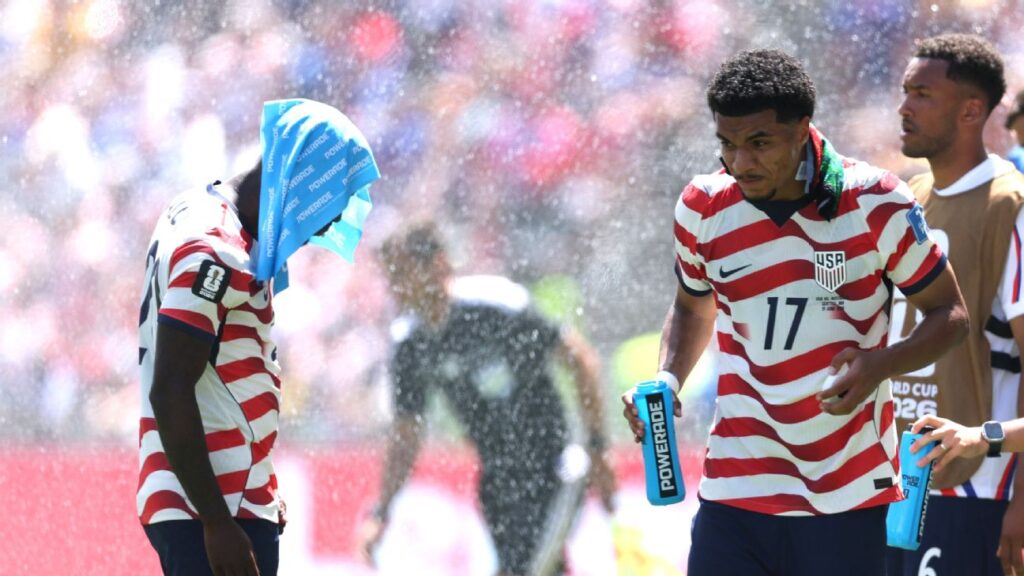
Hydration breaks first used at the 2026 World Cup did not affect the flow of play and had no impact on results of matches but their future remains to be decided, Arsène Wenger, FIFA global football development chief, said on Saturday.
The three-minute breaks midway through each half, which FIFA mandated for every game at this year’s World Cup but are not yet ubiquitous throughout soccer.
But they are likely to become a key topic in media rights negotiations going forward, according to interviews with soccer executives, because broadcasters see them as an opportunity to take commercial breaks.
Fox, which is airing the tournament in the U.S. this year, will make at least $250 million on the hydration break ads alone, according to The Hollywood Reporter.
FIFA said they will analyse hydration breaks after the World Cup following their implementation at the tournament — which brought about significant backlash.
“No, sometimes people didn’t like it and we have to analyse after the World Cup what is the impact,” Wenger said during a news conference on Saturday. “It didn’t look to me that it changed the results of the competitions. But we are here to serve people who watch football and we will come to the conclusions after the competition.
“In some games, it was really needed and because we want to make any difference between the way games are handled we decided at the start of the competition to do it. We will have a deep analysis after the competition.”
Spain will be playing only their second outdoor match of the tournament for Sunday’s World Cup final vs. Argentina at MetLife Stadium in New Jersey.
The hydration breaks midway through each half prompted loud jeers from fans inside the stadium, while former players were also critical.
The breaks were introduced to help players deal with the summer heat in the United States, Canada and Mexico, but FIFA stipulated they would occur regardless of the weather, venue or location. All told, there were four indoor venues — Atlanta, Dallas, Houston and Vancouver — and those matches were also played with hydration breaks for consistency.
Coaches have used them like timeouts to pass on in-game tactical instructions.
FIFA first introduced cooling breaks at the 2014 World Cup in Brazil after a labor court mandated players rest during games when temperatures reached 89.6 degrees Fahrenheit. Today, most worldwide leagues have rules for breaks in the flow of action that are dependent on the weather forecasts or given at a referee’s discretion.
Information from The Associated Press was used in this report.